Smart is usually enough
Refurbishing is more than just preserving a building while raising it to the state of the art structurally – it is a social responsibility.
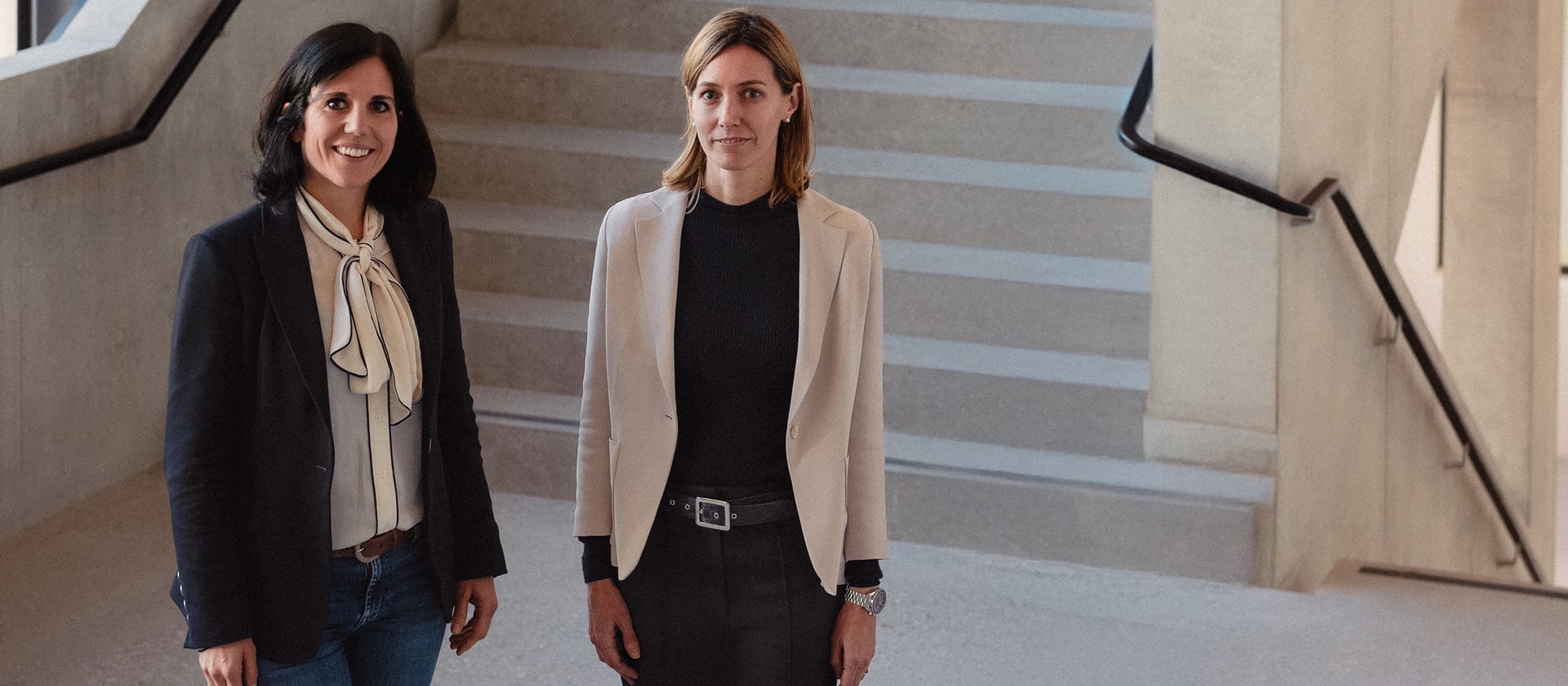
How do we prepare existing buildings for climate change? What are the most effective strategies? Professor Kristina Orehounig from TU Wien (Vienna University of Technology) has spent years researching refurbishment concepts, sufficiency strategies and neighbourhood solutions. As head of FinstraI’s direct sales in north-eastern Italy, Kristin Oberrauch has overseen thousands of full and partial renovations. When they got together in Vienna they talked about the need for a rethink on refurbishment – not just an upgrade, but a reinterpretation of construction itself.
Professor Orehounig, you studied architecture, but for years you’ve been conducting research in the field of sustainability and energy optimisation. Why do you focus on refurbishment rather than new builds?
Originally – like most architects – I wanted to build new builds. But my research showed that most buildings already exist, and it is these buildings that will determine whether or not we meet our climate targets. For new builds, the standards are clear, the obstacles minimal – you use triple glazing. But in existing buildings there is still a huge amount to do. We have to optimise existing buildings to make them sustainable, efficient and fit for the future in the interests of stable thermal comfort, even as exterior temperatures increase.
Why is refurbishment often the better choice?
We investigated whether refurbishing or building from scratch is more sustainable, looking at the entire lifecycle of a residential building. And the result was that the carbon emissions of a new build are only lower if all materials – from the windows to the roof beams – are reused. But that is difficult to implement, as the market for recycled building materials is still very small.
Yet the idea that we need more refurbishment seems to be very slow to take root. Would higher energy prices increase people’s willingness?
Energy is still too cheap. It has gone up in price, but often not enough to influence people’s decisions. Many people cling to their home comforts – which I understand. I like to be warm in winter and cool in summer as well. But it’s important to know where the energy comes from and how much CO2 it causes.
Does that mean we all have to rethink our idea of comfort?
Compromising on comfort is one option. We have got used to an interior temperature of 24 degrees. People used to accept that in some rooms it was simply cooler. Ideally we would generate the energy required for a pleasant indoor climate sustainably, while at the same time making our buildings more energy-efficient.
“We have determined that most residential buildings can get by without air conditioning, using night ventilation and passive cooling.” – Professor Kristina Orehounig
But your studies also show that a full refurbishment often isn’t required?
Our comprehensive analysis of Switzerland’s building stock shows that only 20 percent of buildings require façade insulation. For most buildings a partial refurbishment is enough, one that includes modernisation of all the windows, the roof and the heating system. It is important to take the specific characteristics of a building into account, as not every measure automatically leads to the desired savings.
Why are windows so important?
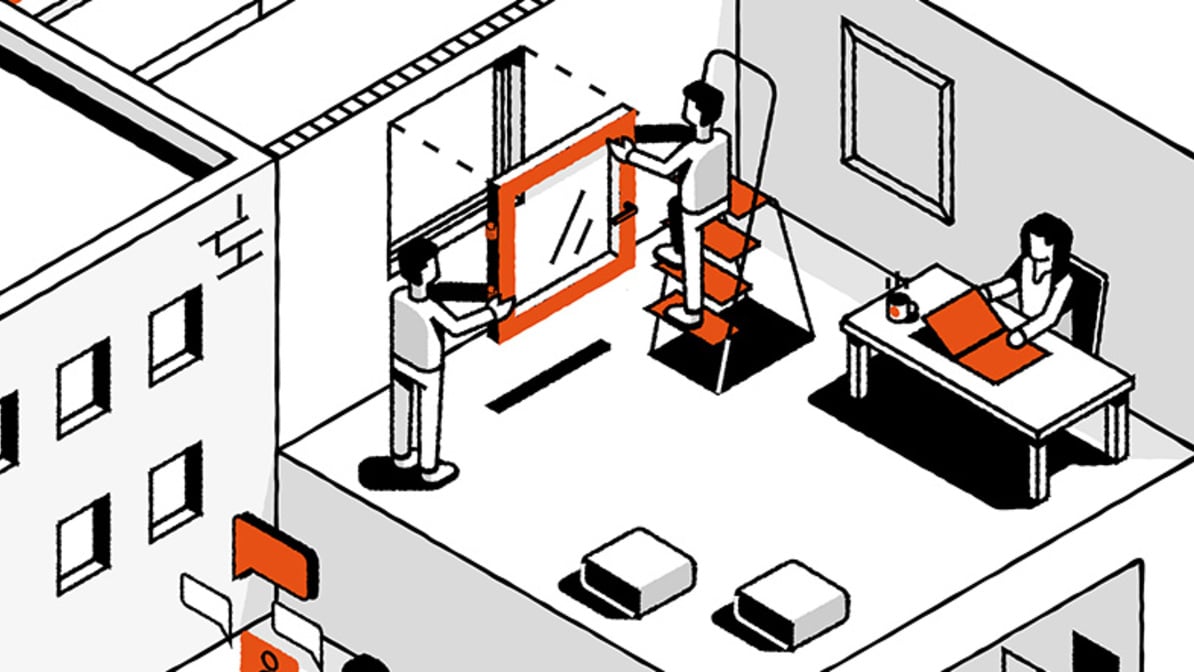
Windows are relatively easy to replace, and they have an impact on numerous factors: energy efficiency, daylight, sound insulation and protection from heat in summer. Our research shows that ventilating at night can reduce the need for cooling, for instance.
How does that work in reality?
We can often cut out air conditioners with smart, passive solutions. Night ventilation is one method; if a building is well shaded throughout the day and systematically ventilated at night, you can cool interior spaces effectively. That works particularly well in buildings with a high thermal mass – that means, buildings with thick walls or solid roofs that retain heat. We determined that by looking at Switzerland, and discovered that these measures could help the majority of residential buildings get by without air conditioning in the future. That would save an enormous amount of energy. But there are limits – noise and security are a problem in dense city centres, and the idea doesn’t work so well in regions where it’s often too hot to sleep with the windows open at night.
What would increase the rate of refurbishments?
A lot of things fail due to societal and financial hurdles. In apartment buildings you often have to get agreement from multiple owners. Some of them live there and want to refurbish, while others let out their apartments and have no personal stake. Energy-related refurbishment doesn’t work without incentives. And the aesthetic identity of buildings is also a major factor. In Vienna, for instance, there are debates about whether you can refurbish late 19th-century buildings for energy efficiency if that means altering the façade or removing stucco decoration. For many people, these buildings are part of their identity; this emotional connection can make refurbishment more difficult.
Are there any other reasons why the refurbishment rate in Europe is just 1 percent?
There is a lack of clear, long-term funding strategies. Funding is often changed at short notice or dropped, which causes uncertainty. And there is also a lack of data – many owners don’t know what condition their building is in and what measures would be appropriate. Digital tools can help in the creation of individual refurbishment plans. One interesting approach is serial refurbishment, because modular, standardised solutions make the process faster and cheaper, which could be an expedient option for larger apartment buildings or entire neighbourhoods. In any case, you have to make sure you’re not over-refurbishing, that you retain the original identity of the building.
How does that work in practice?
One approach is the neighbourhood solution. In Vienna, one district dominated by late 19th-century buildings came together to install geothermal probes and solar panels on the roofs. You can expand on these strategies, but you need someone who will plan, coordinate and arrange financing. A central office, or a kind of refurbishment manager.
Why do we know so little about the condition of buildings?
There is no comprehensive building database standardised at the EU level or with information about the materials used in construction or refurbishment. This applies to many components. Harmonised, easily accessible datasets, together with digital twins, could feed into the targeted development of refurbishment strategies.
Do you work with digital twins?
Yes, we developed a climate twin for Singapore to conduct microclimate analysis and improve outdoor comfort. Similar models could be used for refurbishment as well.
Finally, which three things would you change straight away to make the building sector more sustainable?
Professor Orehounig, you studied architecture, but for years you’ve been conducting research in the field of sustainability and energy optimisation. Why do you focus on refurbishment rather than new builds?
Originally – like most architects – I wanted to build new builds. But my research showed that most buildings already exist, and it is these buildings that will determine whether or not we meet our climate targets. For new builds, the standards are clear, the obstacles minimal – you use triple glazing. But in existing buildings there is still a huge amount to do. We have to optimise existing buildings to make them sustainable, efficient and fit for the future in the interests of stable thermal comfort, even as exterior temperatures increase.
Why is refurbishment often the better choice?
We investigated whether refurbishing or building from scratch is more sustainable, looking at the entire lifecycle of a residential building. And the result was that the carbon emissions of a new build are only lower if all materials – from the windows to the roof beams – are reused. But that is difficult to implement, as the market for recycled building materials is still very small.
Yet the idea that we need more refurbishment seems to be very slow to take root. Would higher energy prices increase people’s willingness?
Energy is still too cheap. It has gone up in price, but often not enough to influence people’s decisions. Many people cling to their home comforts – which I understand. I like to be warm in winter and cool in summer as well. But it’s important to know where the energy comes from and how much CO2 it causes.
Does that mean we all have to rethink our idea of comfort?
Compromising on comfort is one option. We have got used to an interior temperature of 24 degrees. People used to accept that in some rooms it was simply cooler. Ideally we would generate the energy required for a pleasant indoor climate sustainably, while at the same time making our buildings more energy-efficient.
“We have determined that most residential buildings can get by without air conditioning, using night ventilation and passive cooling.” – Professor Kristina Orehounig
But your studies also show that a full refurbishment often isn’t required?
Our comprehensive analysis of Switzerland’s building stock shows that only 20 percent of buildings require façade insulation. For most buildings a partial refurbishment is enough, one that includes modernisation of all the windows, the roof and the heating system. It is important to take the specific characteristics of a building into account, as not every measure automatically leads to the desired savings.
Why are windows so important?
Windows are relatively easy to replace, and they have an impact on numerous factors: energy efficiency, daylight, sound insulation and protection from heat in summer. Our research shows that ventilating at night can reduce the need for cooling, for instance.
How does that work in reality?
We can often cut out air conditioners with smart, passive solutions. Night ventilation is one method; if a building is well shaded throughout the day and systematically ventilated at night, you can cool interior spaces effectively. That works particularly well in buildings with a high thermal mass – that means, buildings with thick walls or solid roofs that retain heat. We determined that by looking at Switzerland, and discovered that these measures could help the majority of residential buildings get by without air conditioning in the future. That would save an enormous amount of energy. But there are limits – noise and security are a problem in dense city centres, and the idea doesn’t work so well in regions where it’s often too hot to sleep with the windows open at night.
What would increase the rate of refurbishments?
A lot of things fail due to societal and financial hurdles. In apartment buildings you often have to get agreement from multiple owners. Some of them live there and want to refurbish, while others let out their apartments and have no personal stake. Energy-related refurbishment doesn’t work without incentives. And the aesthetic identity of buildings is also a major factor. In Vienna, for instance, there are debates about whether you can refurbish late 19th-century buildings for energy efficiency if that means altering the façade or removing stucco decoration. For many people, these buildings are part of their identity; this emotional connection can make refurbishment more difficult.
Are there any other reasons why the refurbishment rate in Europe is just 1 percent?
There is a lack of clear, long-term funding strategies. Funding is often changed at short notice or dropped, which causes uncertainty. And there is also a lack of data – many owners don’t know what condition their building is in and what measures would be appropriate. Digital tools can help in the creation of individual refurbishment plans. One interesting approach is serial refurbishment, because modular, standardised solutions make the process faster and cheaper, which could be an expedient option for larger apartment buildings or entire neighbourhoods. In any case, you have to make sure you’re not over-refurbishing, that you retain the original identity of the building.
How does that work in practice?
One approach is the neighbourhood solution. In Vienna, one district dominated by late 19th-century buildings came together to install geothermal probes and solar panels on the roofs. You can expand on these strategies, but you need someone who will plan, coordinate and arrange financing. A central office, or a kind of refurbishment manager.
Why do we know so little about the condition of buildings?
There is no comprehensive building database standardised at the EU level or with information about the materials used in construction or refurbishment. This applies to many components. Harmonised, easily accessible datasets, together with digital twins, could feed into the targeted development of refurbishment strategies.
Do you work with digital twins?
Yes, we developed a climate twin for Singapore to conduct microclimate analysis and improve outdoor comfort. Similar models could be used for refurbishment as well.
Finally, which three things would you change straight away to make the building sector more sustainable?
- A greater focus on climate-friendly construction. You can create a comfortable indoor climate with optimal orientation, thermal mass, natural shade and efficient windows – without a whole lot of technology.
- Accelerated expansion of renewable energies: if you have enough clean energy you don’t need maximum insulation for every building.
- Promotion of creative secondary use and re-use– make more flexible use of existing buildings, instead of always building from scratch.
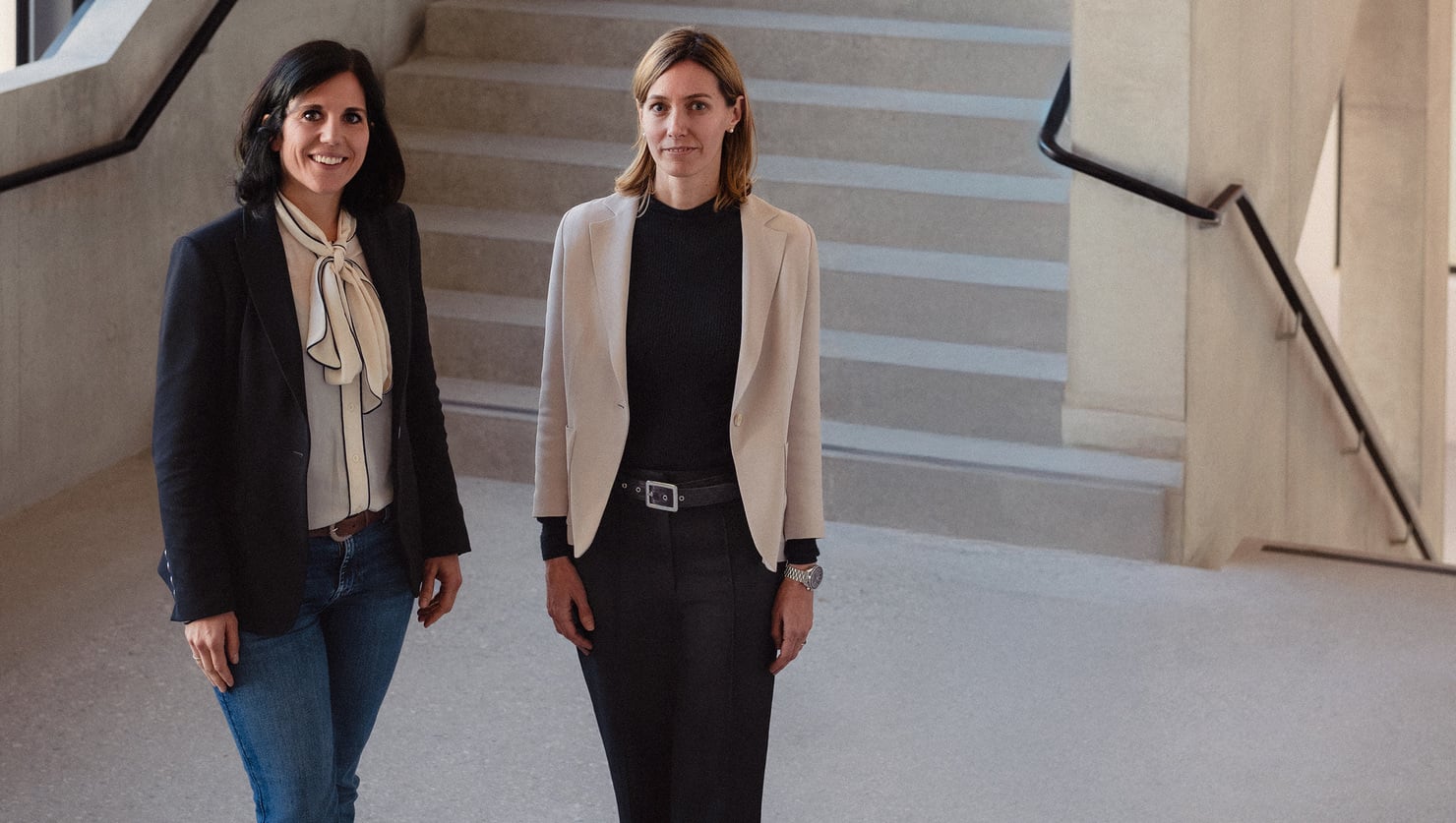
In discussion: Kristin Oberrauch, member of the Finstral Board of Directors and Kristina Orehounig, Professor at the TU Wien
Reframe Renovation
Find more helpful information on this topic here.